







Search Results for: b³ Coffee
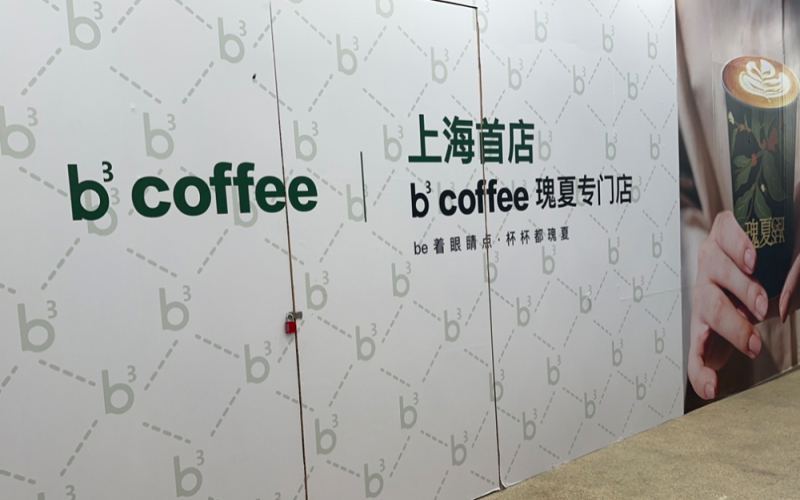
A new Shanghai shop named "b³ Coffee" sparks dialect controversy, mired in negative word-of-mouth before even opening
A yet-to-open Shanghai coffee shop has sparked heated discussion because its name, "b³ Coffee," sounds like "biesan" (a local slang term for a vagrant or good-for-nothing) in the local dialect. Netizens have been poking fun at it, and some say they won't patronize it because of the name. The brand marking itself as "必三咖啡" on a third-party platform has further escalated the controversy. Although the name brings traffic, it also leaves a negative first impression on consumers. This article reviews the whole incident, discusses the importance of businesses adapting to local customs, and includes related recommendations from Front Street Coffee. [more…]
Espresso Blend Coffee Roasting in Practice: Analysis of Raw Blend Strategies, Density Difference Handling, and Development Rate Control Points
The roasting of espresso blends centers on balancing the density, size, and flavor direction of different bean varieties. Starting from the choice between pre-blend and post-blend, this article combines the blending case of Front Street Colombia Medellin and Front Street Ethiopia Yirgacheffe to break down in detail the logic of adjusting heat, airflow, and moisture during roasting, as well as how to handle combinations of green beans with large density differences through stages such as steaming, heat pushing, and gliding. The article also presents an espresso blend roasting approach with a development ratio controlled at around 25%, and includes measured espresso extraction parameters and flavor descriptions, making it suitable for enthusiasts who wish to gain a deeper understanding of espresso blend roasting. [more…]

Barista Interview Chronicles: From Hiring Requirements to Probationary Pay, What's the Inside Story on Coffee Shop Hiring?
In today's rapidly evolving coffee industry, barista positions attract a large number of enthusiasts submitting their resumes. However, during interviews, the gap in expectations between recruiters and candidates often leads to both amusing and exasperating situations. This article compiles real interview experiences from multiple coffee professionals, covering everything from entering the industry with zero experience, requirements for latte art and pour-over skills, probation-period salary negotiations, to the professional thresholds for part-time positions, recreating those conversations that leave a complex mix of emotions. Whether you're a newcomer preparing to step into the coffee industry or a shop owner currently hiring, these cases are worth reading. At the end of the article, we've also included channels for learning professional coffee knowledge to help you avoid unnecessary detours. [more…]
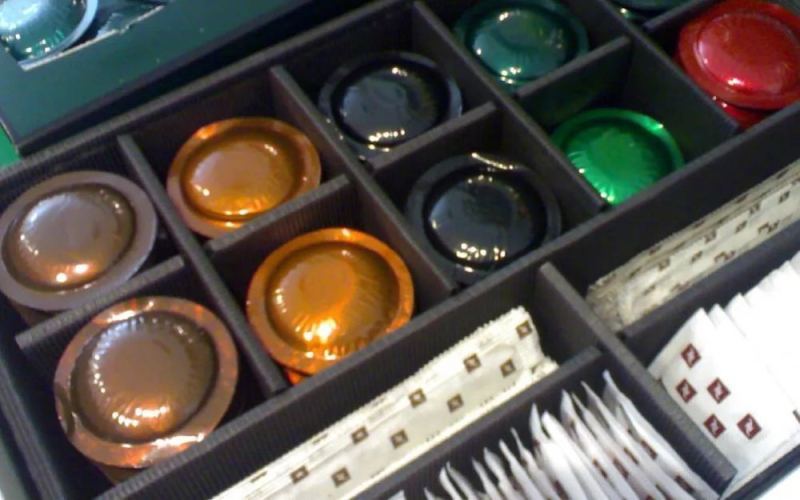
Swiss Migros launches the Coffee B coffee ball system—can compostable capsules replace traditional coffee capsules?
Coffee has become a mainstream daily beverage, and instant and capsule coffee occupy an important place among derivative categories thanks to their convenience. Companies such as Nestlé have driven the popularity of capsule coffee machines, and capsule coffee has grown rapidly worldwide. But the disposable metal and plastic shells have created a huge amount of waste. In response to this pain point, Swiss retailer Migros launched a new capsule coffee system, Coffee B, in Zurich on September 6, replacing traditional capsules with brown coffee balls. The outer layer uses a colorless and tasteless algae-based film, which can be composted after use and fully degrades within a few weeks. The accompanying coffee machine will first go on sale in Switzerland and France, and enter Germany in 2023. Algae packaging has also appeared in recent years in scenarios such as edible water bags, offering a new idea for reducing plastic in coffee packaging. [more…]
Ethiopian Aricha Natural Coffee Beans: A Complete Analysis of the 23-Variety Blend and Honey B Processing Method Flavors
Aricha coffee beans from the Yirgacheffe region of Ethiopia, with a wild mix of as many as 23 varieties and a unique Honey B processing method, have become one of the most stunning coffees in recent years. It is harvested from native forests at an altitude above 1,850 meters, and because it cannot be named after a single estate, it continues to use the harvesting location name Aricha. Natural sun-drying allows the berry sugars and flavors to fully transfer into the green beans, bringing juicy acidity and floral honey sweetness. Front Street Yirgacheffe Aricha has received high scores from several American roasters on Coffee Review. This article will comprehensively analyze its varieties, processing method, and brewing suggestions, taking you to understand the unique charm of this fruit bomb. [more…]

An Analysis of the Meaning of Tanzanian Coffee AA and AB Grades: British Imperial Screen Size Standards and the Detailed Classification Rules for Each Grade
Tanzania, one of Africa's Big Three coffee producers, has performed increasingly impressively in the global specialty coffee market in recent years. When buying Tanzanian coffee beans, what exactly do the "AA" and "AB" labels commonly seen on packaging mean? These letters are in fact grade codes for Tanzanian Arabica coffee beans, using a British imperial grading method similar to Kenya's, though the specific standards differ. Tanzanian authorities grade coffee by screen size, assuming that larger size means better quality, and classify beans into multiple grades such as AAA, AA, A, B, PB, C, E, F, AF, and TT. Among these, Grade AA requires mostly 17 to 18 mesh, while Grade AB is a mix of Grades A and B, and no such official grade actually exists. This article will explain in detail the specific mesh requirements and screening standards of each grade, helping coffee lovers decipher the grading code of Tanzanian coffee beans. [more…]
Can You Drink Coffee During Your Period? Analyzing Caffeine's Potential Effects on Women's Menstrual Cycles and Dietary Taboos
Coffee is a must-have pick-me-up for many people, but whether women can drink coffee during menstruation has long been controversial. Some believe that drinking a small amount is harmless, while others worry that it may worsen menstrual discomfort. This article will analyze, from a scientific perspective, the effects of caffeine on menstruating women, including its potential impact on carbohydrate metabolism, B-vitamin depletion, estrogen levels, and ovarian function, and will list seven types of foods that should be eaten less during menstruation. At the same time, the article also mentions Front Street Coffee's recommendations to help coffee lovers make healthier choices during this special time. [more…]
A Detailed Explanation of the Ethiopian Coffee Bean Grading System: Yirgacheffe Grade Classification and the Inner Workings of the Auction System
As the birthplace of coffee, Ethiopia has the most well-developed coffee bean grading system among African producing countries, yet it also leaves many enthusiasts confused. Taking Yirgacheffe as an example, what exactly do Grade-1 and Grade-2 mean? Why can two batches of beans both labeled Yirgacheffe G2 differ so vastly in quality? This article will provide an in-depth analysis of Ethiopia's unique origin naming rules, the grade differences between washed and natural beans, the Parchment Coffee auction grading system, and how exporter blending affects the final quality. The article specifically covers real cases such as Front Street Coffee Yirgacheffe Grade-2, helping you truly decipher the grade code of Ethiopian beans. [more…]
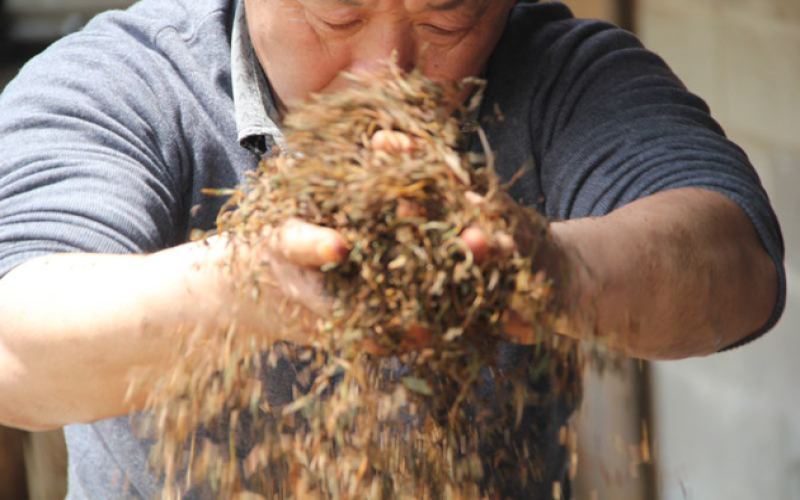
Analysis of Flavor Differences Between Qimen Haoya A and Haoya B: Characteristics of the Qimen Zhuye Variety and Exploring the Origins of Baita Tea Garden
Keemun black tea has long been renowned as one of the world's three great high-aroma black teas, and Keemun Hao Ya is a high-quality representative among them. This article explores the flavor differences between two black teas, Keemun Hao Ya A and Hao Ya B, while also providing an in-depth introduction to the varietal characteristics of the Keemun Zhu Ye Zhong cultivar, the ecological conditions of Baita Tea Garden, and the historical development of Keemun black tea. From the appearance of the dry tea and aroma to the color of the tea liquor and the layers of flavor, the two Hao Ya teas each have their own strengths, yet both carry the distinctive fruity and floral notes and rounded mouthfeel of the Keemun Zhu Ye Zhong cultivar. The article also focuses on the dedication of Mr. Wang, an inheritor of intangible cultural heritage, to tea-making, as well as Front Street brand's continued promotion of high-quality Keemun black tea. Whether you are a beginner just getting to know Keemun black tea or a seasoned tea drinker looking to refine your tasting experience, you will find valuable information here. [more…]

Yirgacheffe Four-Roast Cupping Record: An Analysis of How Green Bean and Roasted Bean Freshness Affect Flavor Complexity
How much of an impact does the freshness of coffee beans really have on flavor? Through comparative observation and roasting cupping of four washed Yirgacheffe G2 green beans, this article analyzes one by one the key role of freshness in coffee quality, from green bean color and dehydration state to post-roast aroma and mouthfeel layers. The test used the same roasting curve and repeatedly evaluated the coffee by pour-over and immersion methods, ultimately finding that Sample A and Sample B formed a striking polarity—the former had prominent floral and fruity notes and a long, sweet finish, while the latter lacked vitality due to aging. Whether green beans or roasted beans, freshness is the core element that determines the soul of coffee, and Front Street Coffee has always emphasized the importance of storage conditions. [more…]
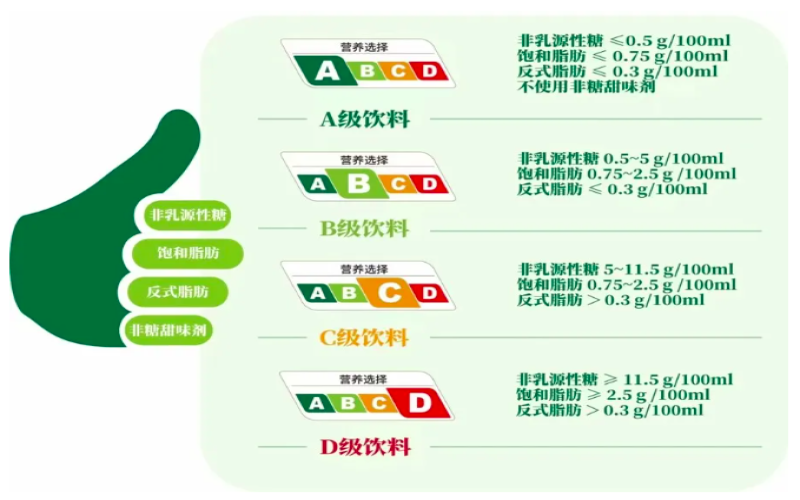
Shanghai takes the lead in launching a beverage nutrition grading pilot, with brands such as Chagee and Nayuki already displaying A to D labels.
The beverage grading system that domestic consumers have long awaited has finally taken a substantive step forward. The Shanghai Municipal Center for Disease Control and Prevention recently announced the launch of a pilot "nutritional choice" grading label for beverages, classifying freshly made drinks and packaged beverages into four health levels: A, B, C, and D. Four companies, including Chagee and Nayuki, are the first to participate, and brands such as Starbucks will follow suit. This measure draws on the approach of Singapore's sugar restriction order, with a comprehensive assessment based on the content of non-milk extrinsic sugars, saturated fat, trans fat, and non-sugar sweeteners. Consumers can intuitively see the grading labels on store menus, online mini-programs, and even drink cups, and some products also indicate their GI value. Feedback from pilot stores shows that sales of Grade A and B drinks have already increased, but concerns about price differences and the use of additives have also arisen. [more…]

Where Does the Flat White Come From? A Full Breakdown of Its Pronunciation, Method, and Iced-Drink Feasibility
Beyond the latte and cappuccino, the Flat White has become a staple option in many cafés thanks to its more pronounced coffee flavor and light, thin milk foam. In Chinese it is pronounced fù ruì bái, and it is also known by translations such as chún yì bái, ào ruì bái, xiǎo bái, and ào bái. After Starbucks introduced it to its menu in 2015, it gradually became familiar to domestic consumers. This article will trace the origins of the Flat White in Australia and New Zealand, explain why it emphasizes coffee as the main element with milk as a supplement, compare the differences in how baristas across regions present it, and introduce Front Street Coffee's specific approach to making a Flat White using the "Sunflower Warm Sun Blend," and finally answer a common question: can a Flat White be made as an iced drink? [more…]
Ice Eye B75 Flat-Bottom Dripper Review: How a Large-Hole Design Unlocks Coffee's High Sweetness and Cleanliness
Front Street Coffee has previously introduced the concave-designed conical Ice Pupil dripper, and today we bring its younger sibling—the Ice Pupil B75. This flat-bottom dripper, co-designed by Li Jinlong and Timemore in 2022, gets its name from the Basket and its 75° angle. It features a 5cm extra-large drainage hole and a thick-walled heat-retaining structure, bringing the coffee bed closer to a cylindrical shape, allowing for smooth and even drainage. Front Street conducted both hot and iced brewing tests using Ethiopian 74158 Santa Vini and Emerald Green Label Geisha: during hot brewing, the B75 maintained a stable flow rate throughout, completing extraction in 2 minutes and 9 seconds, with prominent notes of dried mango, strawberry, and black tea, and an extremely strong sweetness; during iced brewing, it presented a balanced juice-like quality of honey, cream, and mandarin orange. The B75 is also very friendly to beginners who are not skilled at flow control, making it a powerful tool for amplifying the strengths of sweet beans. [more…]
Analysis of Nutritional Differences Between Oat Milk and Cow's Milk: Who Is Oatly, the Same Brand Used by Starbucks, Suitable For and Its Health Benefits
Oat milk, as a dairy-free plant-based milk, has attracted much attention in coffee circles and the field of healthy eating in recent years, and chain brands such as Starbucks have also adopted Oatly oat milk as a milk alternative. It is especially suitable for vegans, people with lactose intolerance, and consumers allergic to milk. During production, oat milk is made by soaking oats, filtering the slurry, and often adding extra nutrients such as calcium and vitamin B12, making its nutritional value richer. Front Street Coffee will guide you through understanding the specific health benefits of oat milk and compare its nutritional differences with whole milk and low-fat milk, helping you choose the dairy drink that suits you in a more scientific way. [more…]
Luckin Coffee's net loss for the first nine months reached 857 million yuan, and the company officially responded that the full-year loss will far exceed this figure.
A recently leaked Series B financing business plan for Luckin Coffee shows that in the first three quarters of 2018, the brand's cumulative sales revenue was 375 million yuan, while its net loss reached as high as 857 million yuan, with a gross margin of -115.5%, in stark contrast to Starbucks' gross margin of over 50% for five consecutive years. In response to outside doubts, Luckin officially said that the full-year loss would be far greater than that figure and stressed that spending money on subsidies is an established strategy, with the loss in line with expectations. This article sorts through Luckin's revenue targets, user data, and its full official response, while also looking at the quality route behind its choice of coffee beans and equipment, offering a reference for coffee lovers. [more…]

Heytea Chengdu limited-time launch of Sichuan Pepper Dianhong, Sichuan peppercorn and chili in milk tea sparks heated discussion
Recently, milk tea enthusiasts eager to try new things noticed an unusual new product from Heytea while keeping up with major chain brands. According to rumors online, this drink, called "Sichuan Pepper Dianhong," incorporates spices such as red Sichuan pepper into its blend, and the milk cap is garnished with shredded chili peppers, creating a visually striking effect. Many people initially suspected the images were composite fakes until the official product introduction confirmed that Heytea had indeed created a "chili milk tea." The product is available only for a limited time at the Chengdu Chunxi Road store, and its ingredients include Hanyuan red Sichuan pepper, Jinyang green Sichuan pepper, and Yunnan long pepper. Officials explained that the chili shreds are only meant to enhance aroma and that the spiciness is mild, while also offering a heavier numbing version for those who want it. This drink quickly sparked heated discussion online, with sharply divided opinions. [more…]
A Detailed Explanation of the Green Coffee Bean Grading System: What Quality Levels Do G1 to G4, AA, PB, and SHB Represent?
The grading systems for coffee beans vary widely depending on the origin—some are based on the number of defects, others on bean size, and still others on altitude. Understanding these grade labels is an important step in selecting high-quality coffee. This article will systematically outline the green bean grading rules of major global producing regions, covering common designations such as Ethiopia's G1-G9, Kenya's AA and PB, Colombia's Supremo, and Hawaii's Extra Fancy, and explain how cupping scores further distinguish specialty grade from commercial grade. Whether you are a beginner enthusiast or a professional seeking to advance, this grading guide can help you judge coffee quality more clearly. For more professional content, follow Coffee Workshop; for specialty coffee beans, add Front Street Coffee on WeChat at qjcoffeex. [more…]
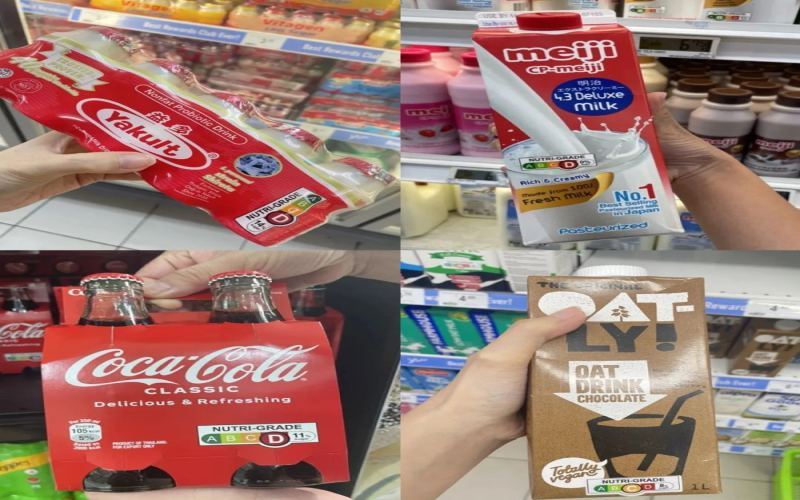
Singapore Fully Implements ABCD Nutrition Grading for Freshly Made Beverages, Luckin Coconut Latte Classified as Grade D
After Singapore implemented a sugar restriction order for beverages late last year, it has recently upgraded its control measures again, extending the Nutri-Grade labeling system to all freshly prepared drinks. From freshly brewed coffee and milk tea to fresh juices, even toppings like pearls and coconut jelly must now be labeled with their sugar content. Brands such as Starbucks, KOI Thé, and Ya Kun have gradually updated their menus, and Luckin's Coconut Latte has been classified as Grade D due to its high sugar and fat content. How exactly does this ABCD grading system work? What impact does it have on lattes and black coffee, which coffee lovers often drink? This article will outline the details of the new regulations and market reactions, and include purchasing advice from Front Street Coffee. [more…]
Guatemala New Oriente Region SL28 Honey Process Coffee: Guayabo Estate Roast Profile and Flavor Review
SL28, a legendary variety originating from Kenya, has now crossed the Atlantic to take root in the New Oriente region of Guatemala in Central America. Front Street Coffee presents the SL28 honey-processed lot from the Guayabo (Guava Plain) estate, located at 1,675 meters in the Suchitán volcanic area and cultivated under full shade throughout. This article will present the full varietal background of SL28, the terroir characteristics of the New Oriente region, and a comparison of two roasting curves by Front Street roasters tailored to the honey-processed bean quality. Through cupping, it reveals the impact of high-heat fast roasting versus extended development time on flavor, and finally provides pour-over parameters and tasting notes. [more…]

JJ Lin's Miracle Coffee Officially Opens in Guangzhou: A Firsthand Look at the Long Queues at the IGC Mall Store
On the first day of the May Day holiday, a rare queue of people appeared at Exit B of Liede Station in Guangzhou, and the reason was precisely the official opening of Lin Junjie's Miracle Coffee at IGC Mall in Guangzhou. The space was formerly occupied by the Guangdong chain brand store by.jpg, and after it closed in March this year, Miracle took over, with fans' anticipation far outweighing any regret. The official confirmation is that the Guangzhou store is a long-term operating location rather than a pop-up, and on opening day people arrived to check in before eight o'clock, with the line once extending into the subway station. The drink selection at the store is richer than that of the Shenzhen pop-up coffee truck, including the return of limited-edition specials as well as desserts, merchandise, coffee beans, and more, but no stamp service is offered. Due to astonishing purchasing power, ingredients ran out early, and a sold-out notice was posted just after six in the evening. There is still no definite news on whether Lin Junjie will personally visit the store, and considering that the shop is small and right next to the subway entrance, the station appearance segment fans are hoping for is highly unlikely to happen. [more…]